
← Back
Wildlife GPS Collars: Reliable Tracking in Harsh Conditions
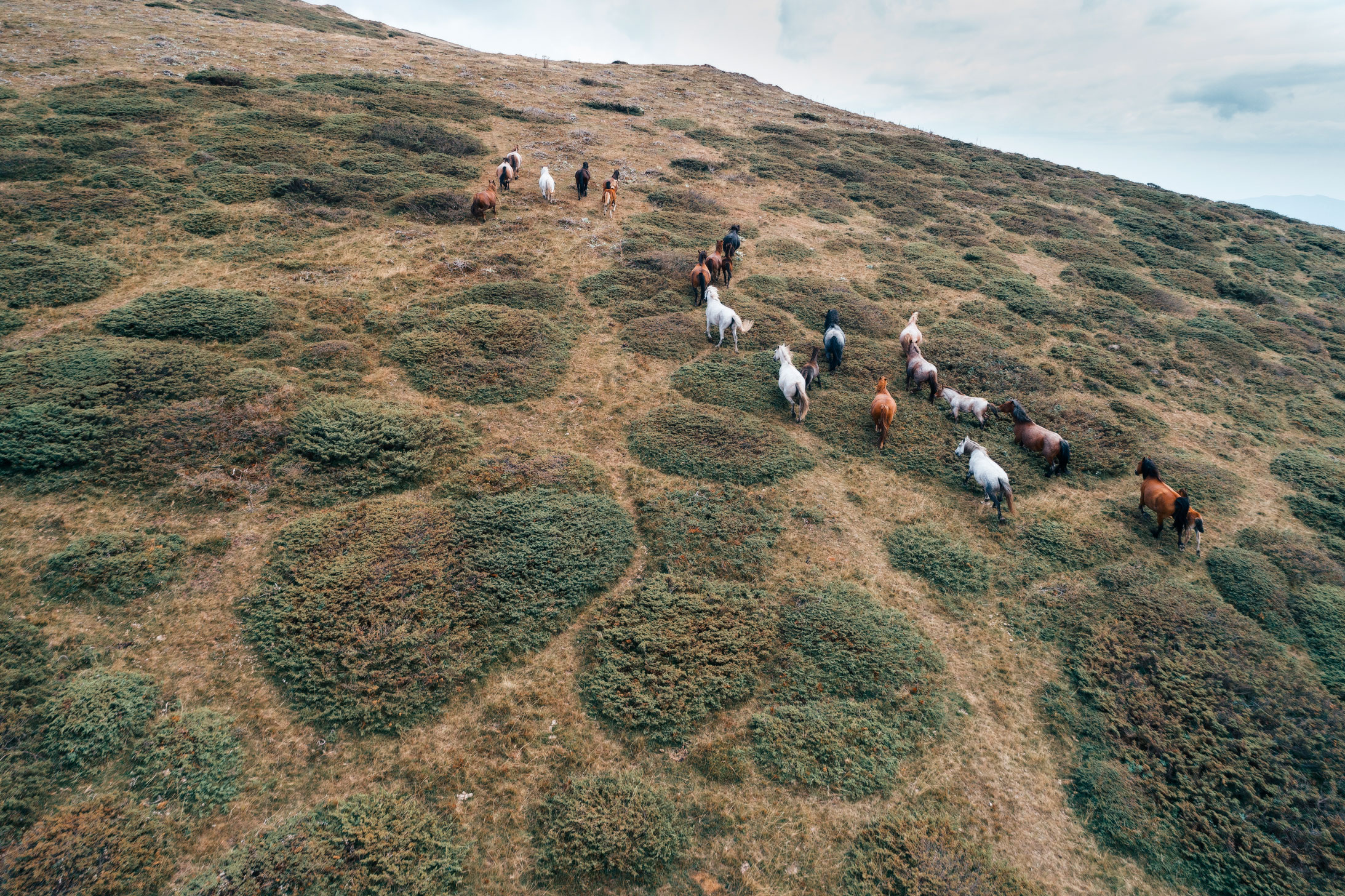
Wildlife tracking collars operate in some of the earth’s most diverse and arduous environments. From remote mountain ranges to wild, vast grazing pathways beyond cellular coverage, herd managers and wildlife conservationists need reliable visibility over their animals wherever they roam.
Purpose-built solutions such as CollarSAT, developed by CLS, which combines GPS tracking with satellite connectivity through Argos Services, are helping wildlife conservationists and livestock managers maintain that visibility on a global scale, even in isolated areas outside of conventional communication networks.
But a tracking solution is only effective if it can withstand real-world conditions. A wildlife tracking collar that drops connectivity, loses battery power too quickly, or malfunctions under extreme environmental stress can quickly lead to gaps in monitoring and increased operational risks.
That’s why robustness is one of the most important criteria when selecting a wildlife GPS collar.
Why does a robust system matter in wildlife tracking
In extensive grazing systems, wildlife and herds often move across vast, remote territories where access to infrastructure, like cellular towers, is limited. Monitoring these animals requires tools capable of operating uninterrupted, for long periods without constant maintenance.
When tracking systems fail, there can be significant consequences. Herd managers, researchers, and conservationists may lose visibility over animal movements, experience delays in responding to strange behavior, or struggle to locate animals in remote areas. These challenges can impact wildlife management, animal and community security, as well as overall operations.
Reliable wildlife monitoring technologies can also support sustainable livestock management on a global scale. Livestock tracking assists operators in understanding grazing patterns, optimizing pasture use, and making informed decisions about herd movements. This is particularly important in regions of the world where livestock expansion is reliant on the precise management of natural resources.
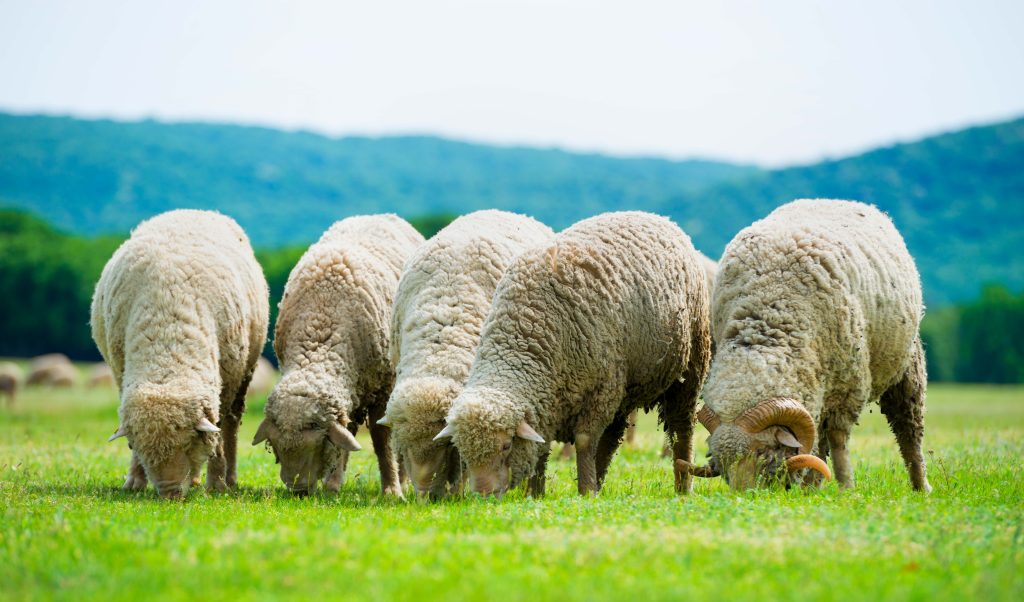
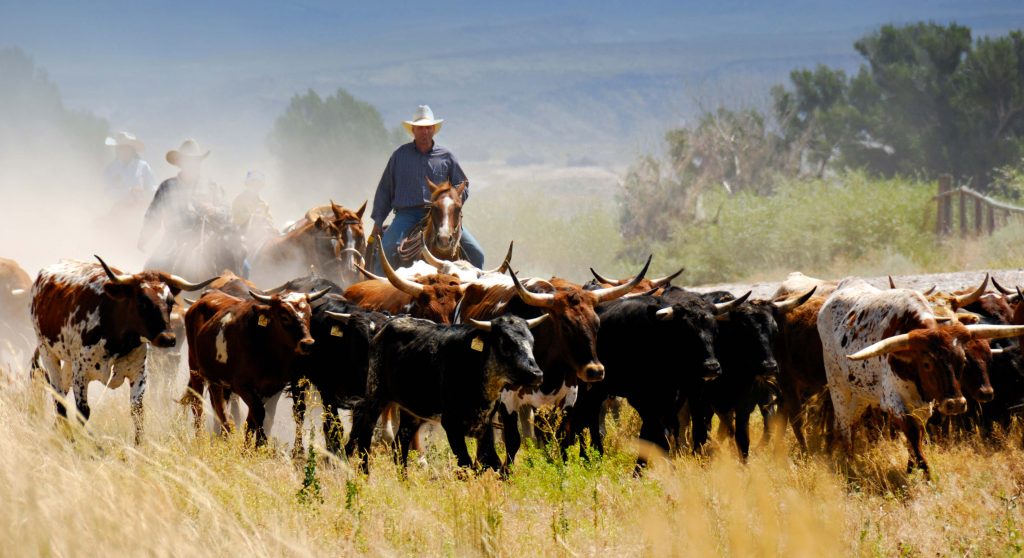
Whether following large land mammals throughout complicated environments, cattle on large ranches, or sheep across mountainous regions, reliable tracking is essential for informed decision-making and effective wildlife management.
The three essentials of a reliable wildlife GPS collar
Extended battery life for long deployments
In remote areas across the Americas, frequent collar retrieval for charging or maintenance is rarely practical. Therefore, extended battery life is crucial to ensuring continuous monitoring while reducing field interventions and operational costs.
Collars designed for extensive wildlife tracking and monitoring must optimize power consumption while maintaining regular positioning and data transmission over long periods.
Rugged build for severe environmental conditions
Wildlife collars are exposed to dust, heat, humidity, impacts with other fauna, and prolonged outdoor wear. They must be designed to withstand demanding environmental conditions while maintaining functionality throughout their operational lifespan.
A rugged design helps ensure sustained monitoring and minimizes the need for replacement or constant maintenance.
Reliable positioning and connectivity
Accurate positioning is only valuable if location data can be transmitted consistently.
Many wildlife operations take place outside terrestrial cellular networks. In these remote areas, reliable connectivity becomes a critical factor for maintaining visibility over wildlife movements and quick, active response.
Satellite-enabled tracking solutions offer a significant advantage by providing communication capabilities in remote areas where conventional networks are unavailable.
CollarSAT: designed for reliable herd monitoring
CollarSAT was specifically developed by CLS to address the challenges faced when monitoring wildlife in remote and challenging environments.
Combining GPS positioning with satellite connectivity, CollarSAT allows herd managers and wildlife conservationists to maintain visibility over their animals even in areas where GSM coverage is limited or non-existent. This makes it particularly suitable for large-scale animal tracking operations, extended grazing pathways, mountainous regions, and other isolated territories.
The collar has been designed with the realities of field operations in mind. Its rugged construction helps the system endure rigorous environmental conditions, while optimized power management support long-term deployments with minimal intervention.
Beyond simply tracking animal locations, CollarSAT provides the reliable data needed to support grazing management, wildlife security, movement monitoring, and operational decision-making. Through Argos Services, it delivers connectivity that remains available in areas traditional communication networks may fail.
For wildlife managers observing and/or moving animals across vast territories, this reliability can make the difference between occasional visibility and continuous operational awareness.
CollarSAT in action: Supporting camel monitoring in Oman
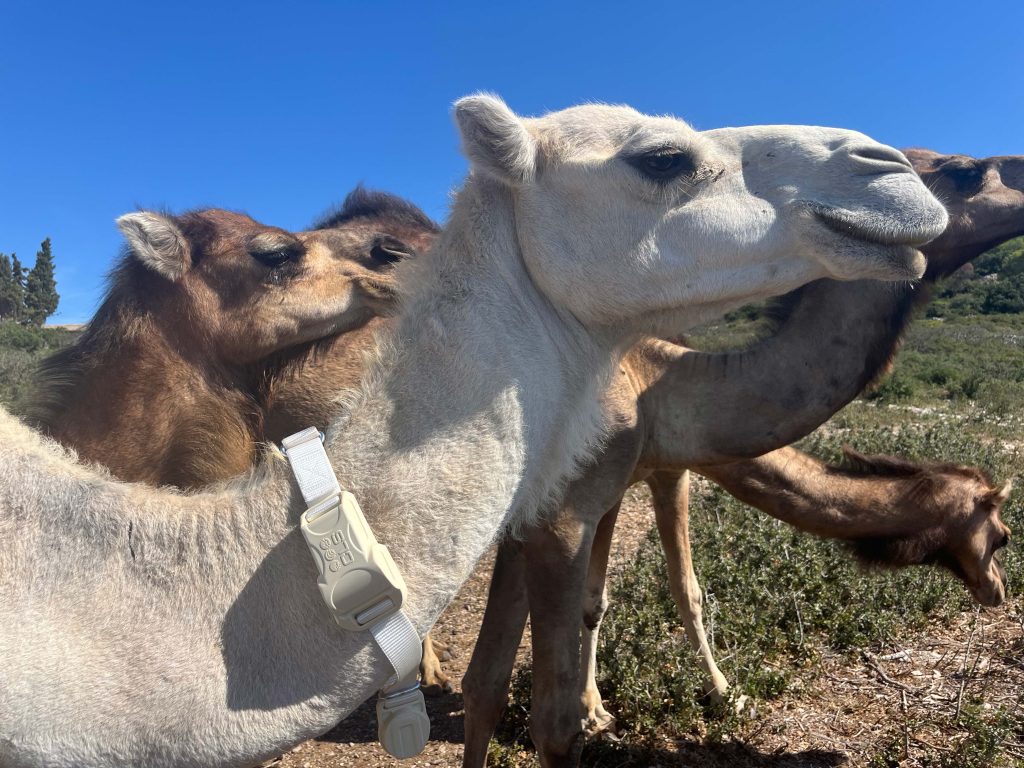
In Oman, CollarSAT was used to monitor camels roaming across vast and often remote territories. In the environments, maintaining visibility over animals is essential for both herd management and safety.
It supported several operational needs, including general herd monitoring, geofencing alerts when animals leave authorized grazing areas, and notifications when camels approach major highways. These alerts helped her managers react quickly and reduce the risks associated with wandering livestock.
Operating in arid environments presents unique challenges for tracking technologies. Long distances, harsh climatic conditions, and limited terrestrial network coverage require a solution that can remain reliable in the field.
Over a three-month period, CollarSAT provided continuous monitoring supported by Argos Services. Users reported excellent satellite reception, with location reports typically received within a few minutes. This responsiveness enabled timely alerts and helped maintain visibility over animal movements, even in remote areas.
The Oman deployment demonstrates how CollarSAT can support day-to-day herd management in challenging environments, providing reliable tracking and alert capabilities where conventional communication networks may be limited.

Reliable wildlife tracking starts with reliable equipment.
In remote and arduous environments, extended battery life, rugged construction, and dependable connectivity are essential for maintaining continuous visibility over wildlife and herd operations.
Designed specifically for herd and wildlife management applications, CollarSAT combines robust hardware with Argos satellite connectivity to support reliable tracking beyond traditional cellular coverage. The result is greater operational visibility, improved wildlife management, and increased confidence in even the most challenging environments.
Looking for a wildlife tracking solution that performs where conventional networks cannot?
Explore how CollarSAT and Argos satellite connectivity can help you monitor wildlife with confidence, wherever they roam.